How Much Does a Bathroom Renovation Cost in the UK? [2026]
Written by Tom Ellis · Senior Trades Editor
Last updated: July 2026
Last updated: July 2026 · United Kingdom
Quick Answer
Last updated: July 2026 · United Kingdom
A bathroom renovation in the UK typically costs between £5,000 and £10,000 for a standard mid-range refurbishment with a new suite, full tiling, and new flooring. Budget renovations keeping the existing layout start from around £2,500, while large luxury bathrooms can reach £25,000 or more. Most homeowners spend around £7,000–£8,000 all-in for a complete bathroom overhaul.
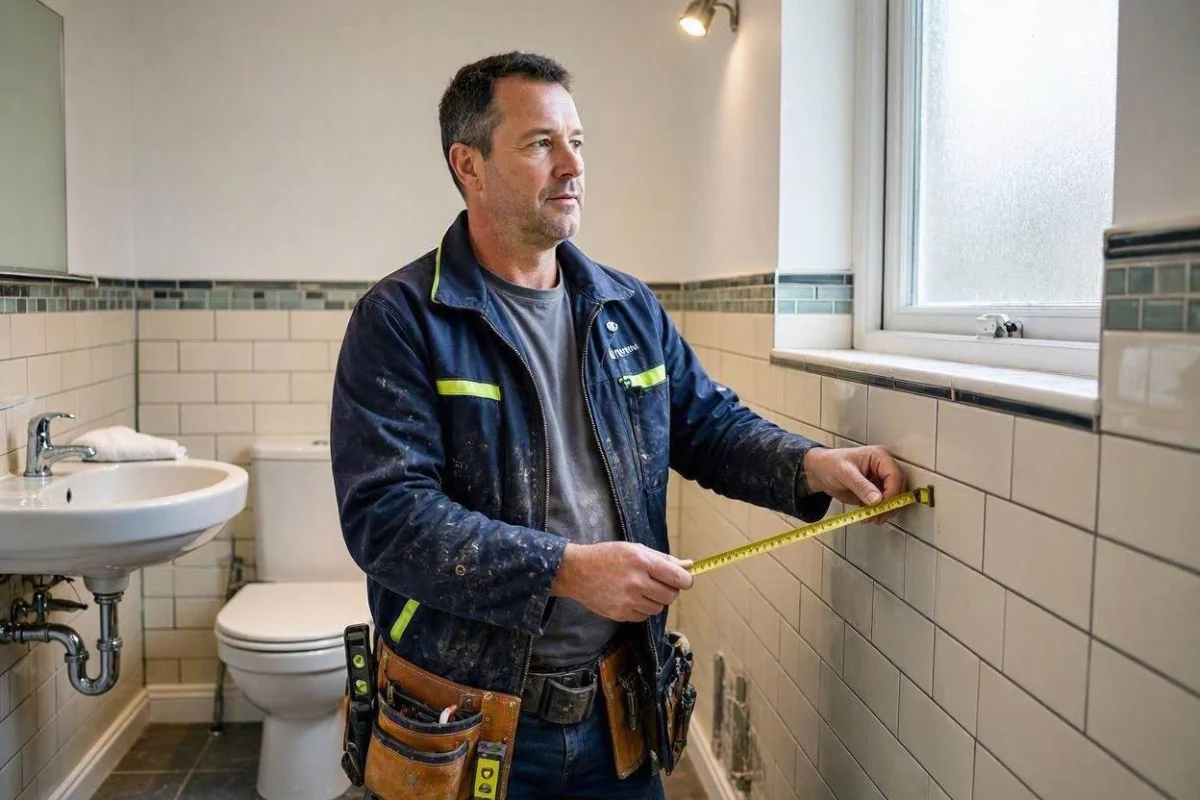
Bathroom Renovation Cost Breakdown UK 2026
| Project Type | Typical Cost Range | Duration |
|---|---|---|
| Small bathroom – budget renovation (keep layout, replace suite) | £2,500 – £5,000 | 3–7 days |
| Standard bathroom – mid-range (new suite, full tiling, new flooring) | £5,000 – £10,000 | 1–2 weeks |
| En-suite renovation | £3,000 – £8,000 | 3–7 days |
| Wet room conversion (full waterproofing, level access) | £7,000 – £15,000 | 2–3 weeks |
| Large luxury bathroom | £10,000 – £25,000+ | 2–3 weeks |
| Plumber (installation labour only) | £500 – £1,500 | 1–3 days |
| Tiler (labour only) | £500 – £1,500 | 2–4 days |
| Electrician (fan, lighting, heated towel rail) | £300 – £700 | 1 day |
| Budget sanitary ware suite | £200 – £600 | – |
| Mid-range sanitary ware suite | £600 – £1,500 | – |
| Luxury sanitary ware suite | £1,500 – £5,000+ | – |
| Tiles (supply only) | £15 – £100 per m² | – |
| Tile fitting (labour only) | £30 – £60 per m² | – |
| Underfloor heating (addition) | £600 – £1,500 | 1 day add-on |
Prices are indicative national averages for 2026. Costs vary significantly by region, specification, and site conditions. London and South East prices are typically 20–40% higher. Always obtain at least three written quotes before proceeding.
What Does a Bathroom Renovation Include?
The scope of a bathroom renovation varies considerably, but a typical mid-range project will include most or all of the following elements. Understanding what is — and isn't — included in a quote is essential before signing a contract.
- Strip-out and disposal: Removal of the existing bath, toilet, basin, tiles, and flooring, plus skip hire or waste disposal charges (typically £100–£300).
- Plumbing: Installation of the new bath or shower, toilet, basin, and associated pipework. Repositioning pipework or altering the soil stack costs more.
- Electrical work: Installation of an extractor fan (a legal requirement in bathrooms without an opening window), new lighting to bathroom IP ratings, and a heated towel rail or electric underfloor heating thermostat.
- Tiling: Supply and fitting of wall and floor tiles, including waterproof adhesive and grout. Most bathrooms have 10–20 m² of tiled surface.
- Sanitary ware: Bath or shower enclosure, toilet, basin, taps, shower head, and accessories such as towel rails and mirrors.
- Flooring: Vinyl, LVT, or tiled bathroom flooring, including preparation of the sub-floor.
- Plastering and painting: Making good any damaged plaster and applying moisture-resistant bathroom paint to non-tiled walls and ceiling.
- Silicone sealing: Waterproof silicone beading around the bath, shower, basin, and any joints between tiled surfaces and sanitary ware.
- Accessories and finishing: Toilet roll holder, towel hooks, shaving mirror, and bathroom cabinet if included in the specification.
Factors That Affect Bathroom Renovation Costs
Several variables can push your bathroom renovation cost significantly above or below the average. Understanding these factors helps you budget accurately and avoid unexpected bills.
- Layout changes: Keeping all sanitary ware in the same position is the most cost-effective approach. Moving the toilet to a new location requires relocating the soil stack and soil pipe, which can add £1,000–£3,000 to the project cost and may require Building Regulations sign-off.
- Tile specification: Budget ceramic tiles cost from £15/m², but popular large-format porcelain and natural stone tiles cost £50–£100/m² or more in materials alone. The tile area in a typical bathroom (10–20 m²) means tile choice can swing the budget by £500–£2,000 without even counting fitting costs.
- Sanitary ware quality: A budget suite from B&Q or Screwfix costs £200–£600, while mid-range brands such as Roca, Ideal Standard, or Duravit cost £600–£1,500. Luxury suites from Villeroy & Boch, Victoria + Albert, or bespoke designers cost £1,500–£5,000 and beyond.
- Wet room vs shower enclosure: A full wet room conversion requires full-room tanking (waterproofing), a level-access drain, and significantly more tiling work. Expect to add £2,000–£5,000 compared to fitting a standard shower enclosure.
- Underfloor heating: Electric underfloor heating mats under floor tiles add a very desirable feature for £600–£1,500 all-in. Warm-water (hydronic) underfloor heating is more expensive and better suited to new-builds.
- Structural issues: Rotten floorboards, inadequate ventilation causing damp, or failed waterproofing around a previous shower can add £500–£2,000 in remedial work before the renovation proper can begin.
- Access and property type: Ground-floor flats often have restricted access to waste pipes. Properties with solid concrete floors (common in post-war bungalows) cost more to alter drainage in than timber-joist constructions.
- Regional labour rates: Labour is the dominant variable across the UK. London tradespeople charge 30–40% more than the national average; contractors in the North East, Scotland, and Wales may charge 10–15% less.
Regional Cost Variation UK 2026
Labour rates vary significantly across the UK. The figures below show how a standard mid-range bathroom renovation (national average: approximately £7,000) would be priced in different regions based on local labour costs.
| Region | Typical Cost (Mid-Range) | vs National Average |
|---|---|---|
| London | £9,100 – £9,800 | +30–40% |
| South East (incl. Surrey, Kent, Herts) | £8,050 – £8,400 | +15–20% |
| East of England | £7,350 – £7,700 | +5–10% |
| Midlands (East & West) | £6,500 – £7,000 | National average |
| Yorkshire & Humberside | £5,850 – £6,650 | -5–10% |
| North West (incl. Manchester, Liverpool) | £5,850 – £6,650 | -5–10% |
| North East | £5,525 – £6,300 | -10–15% |
| Scotland | £5,525 – £6,300 | -10–15% |
| Wales | £5,525 – £6,300 | -10–15% |
Estimates based on national labour rate data for 2026. Individual quotes will vary. Material costs are broadly similar across the UK — the regional variation primarily reflects differences in labour rates.
How to Find a Good Bathroom Fitter in the UK
A bathroom renovation typically involves at least three trades — a plumber, a tiler, and an electrician. You can either hire a specialist bathroom fitting company (who will manage the whole project) or co-ordinate the trades yourself. Here is how to ensure you hire competent, trustworthy tradespeople.
- Check relevant registrations: Electrical work in bathrooms must be carried out by an electrician registered with a competent person scheme such as NICEIC or NAPIT — this allows them to self-certify their work is compliant with Part P of the Building Regulations, saving you the cost of a Local Authority inspection. Plumbers are not required to hold a specific licence for cold and hot water work, but any gas pipework (e.g. for a gas boiler feeding a heated towel rail) must be carried out by a Gas Safe registered engineer. For the bathroom fitting and building elements, there is no mandatory registration, so rely on reviews and references.
- Verify public liability insurance: Ask every tradesperson for proof of current public liability insurance with a minimum cover of £1 million. A reputable contractor will provide this without hesitation. Without it, you could be liable for any accidents or damage caused during the works.
- Get at least three written quotes: Always obtain a minimum of three detailed written quotes before committing. Each quote should itemise labour, materials, and waste disposal separately. Be wary of quotes that are significantly lower than the others — they often indicate missing scope or inferior materials.
- Check reviews on independent platforms: Look for reviews on Checkatrade, Which? Trusted Traders, TrustATrader, or Google Reviews. Pay attention to reviews that mention how contractors handled problems, not just smooth jobs — it is a better indicator of professionalism.
- Ask to see previous work: Request photographs of completed bathroom renovations, or ask for contact details of previous clients you can speak with. Reputable tradespeople are proud of their work and will be happy to provide references.
Three red flags to avoid:
- Cash-only requests with no written contract: Any contractor unwilling to provide a written quote and a contract is a significant warning sign. A written contract protects both parties and is essential if there is a dispute.
- Large upfront deposits: It is reasonable to pay a small materials deposit (10–20%), but demanding 50%+ of the total cost upfront before work begins is a red flag. Stage payments tied to completion milestones are the professional approach.
- No fixed price: Day-rate quotes for a bathroom renovation (rather than a fixed price) can lead to significant cost overruns. Always push for a fixed-price contract with a clear schedule of any provisional sums.
Frequently Asked Questions
How much does a bathroom renovation cost in the UK in 2026?
A bathroom renovation in the UK costs between £2,500 and £25,000+ in 2026, depending on the size and specification. A small budget renovation keeping the existing layout costs £2,500–£5,000, while a standard mid-range bathroom with a new suite, full tiling, and new flooring costs £5,000–£10,000. A large luxury bathroom can cost £10,000–£25,000 or more. Labour typically accounts for around 40–50% of the total budget.
How long does a bathroom renovation take?
A typical bathroom renovation takes between one and three weeks to complete. A straightforward like-for-like replacement of a suite can be done in 3–5 days, while a full renovation involving re-tiling, new flooring, electrical work, and plumbing alterations usually takes 7–14 days. Wet room conversions or complete layout changes can take up to three weeks. Delays often occur due to tile delivery lead times or waiting for plaster to dry before tiling.
Do I need planning permission for a bathroom renovation?
In most cases, a bathroom renovation does not require planning permission in the UK because it is considered permitted development. However, if you are converting a bedroom into a bathroom, adding a bathroom to a listed building, or making changes that alter the external appearance of your home, you may need permission. Electrical work in bathrooms must comply with Part P of the Building Regulations and should be carried out by a registered electrician or notified to your local authority. Plumbing alterations that affect soil stacks or drainage may also need Building Regulations approval.
Is a wet room more expensive than a shower enclosure?
Yes, a wet room is generally more expensive than a standard shower enclosure. A wet room conversion typically costs £7,000–£15,000, compared to £500–£2,000 for a quality shower enclosure with tray and screen. The higher cost of a wet room is due to the full waterproofing (tanking) required across the entire floor and walls, the level-access drain installation, and the additional tiling labour. However, wet rooms can add significant value to a property and are especially desirable for accessibility.
What increases bathroom renovation costs the most?
Moving the soil stack or relocating the toilet and basin to a new layout is the single biggest cost driver in a bathroom renovation, potentially adding £1,000–£3,000 to labour costs alone. Other significant cost factors include the choice of tiles (luxury large-format porcelain can cost £80–£100/m² in materials alone), underfloor heating (an extra £600–£1,500), a freestanding bath (£500–£3,000 just for the bath), and the quality of sanitary ware. Structural issues such as rotten joists, damp, or inadequate ventilation discovered during the works can also add unexpected cost.
Is it worth renovating a bathroom before selling?
A well-executed bathroom renovation can add between 3% and 5% to a property's value in the UK, which can easily exceed the cost of a mid-range refurbishment in most markets. Estate agents consistently rank updated bathrooms alongside updated kitchens as the highest-return home improvements before a sale. However, you should avoid over-specifying — a luxury £15,000 bathroom in a terrace house is unlikely to return its full cost. Aim for a clean, neutral, mid-range finish with good quality sanitary ware and consistent tiling for the best return on investment.
Related Cost Guides
Get an Instant Cost Estimate
Describe your project to our AI and get an itemised cost estimate instantly.
Get a Free Estimate